
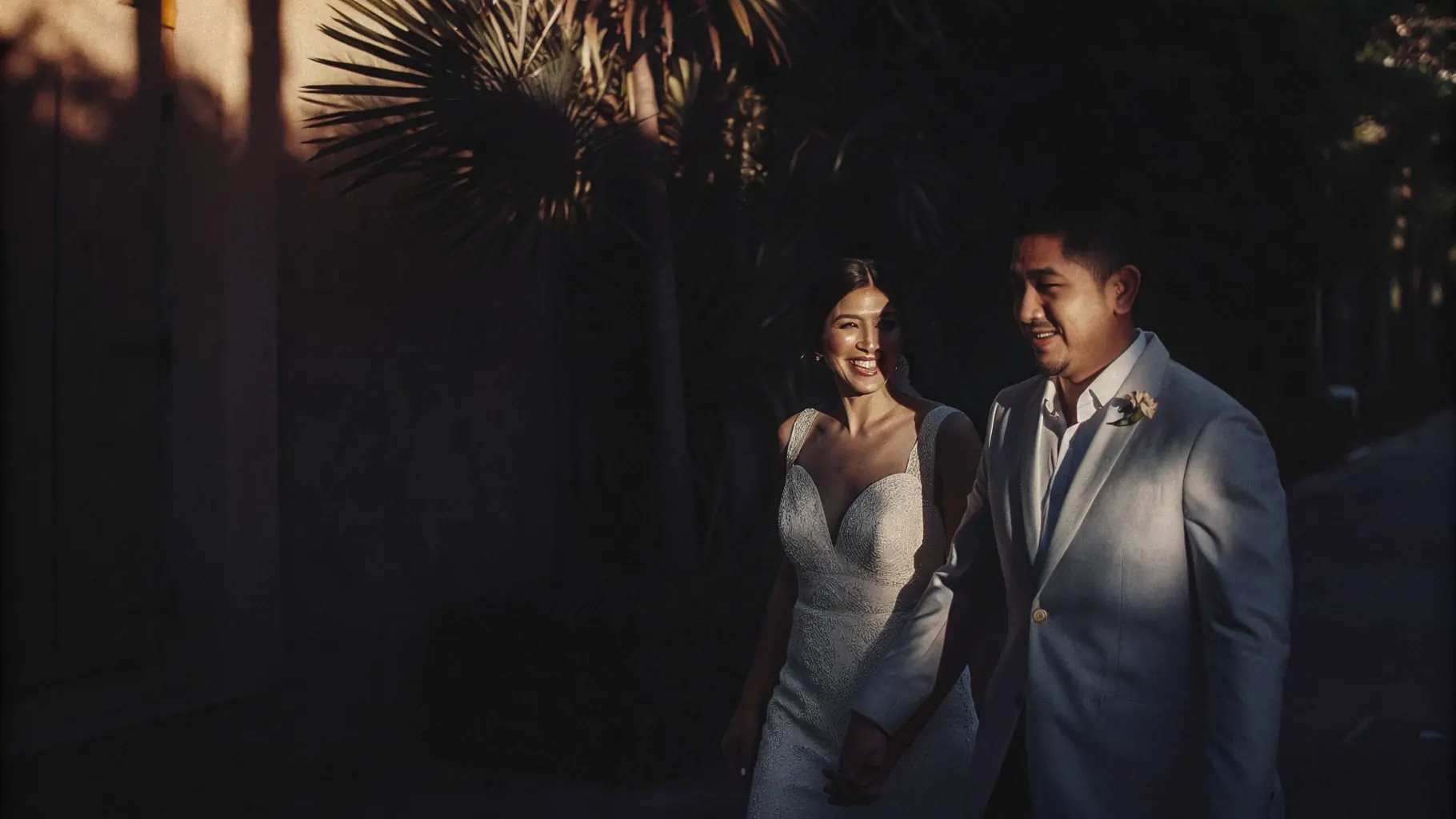
Choosing when to marry in the Philippines means weighing three things that constantly pull against each other: the weather, the crowds, and the cost. The cool, dry months are reliably gorgeous, but they book out first and cost the most. The rainy months are quieter and far gentler on the budget, but they ask for a real weather plan in return. There is no single "best" month that wins on all three — there is only the best month for what you value most. Here is how the Philippine year actually breaks down, season by season, so you can choose with open eyes.
Peak season: December to May
The cool, dry stretch from December through February, running into the warmer but still dry months of March to May, is the classic Philippine wedding season. The weather is at its most dependable, December carries a festive, holiday glow, and almost every couple wants these exact dates — which is precisely the catch. What you gain in certainty, you pay for in competition and price.
- Pros: the most reliable weather of the year, beautiful even light, and a celebratory mood, especially around the holidays.
- Cons: the highest demand on the calendar — top venues and suppliers book 9 to 12 months ahead and price at a premium.
- Best for: couples who want weather certainty above all and are ready to book very early and budget for peak rates.
Worth keeping
The cool, dry months are the prettiest and the most contested. If you want them, the real price you pay is "book early".
Rainy season: June to November
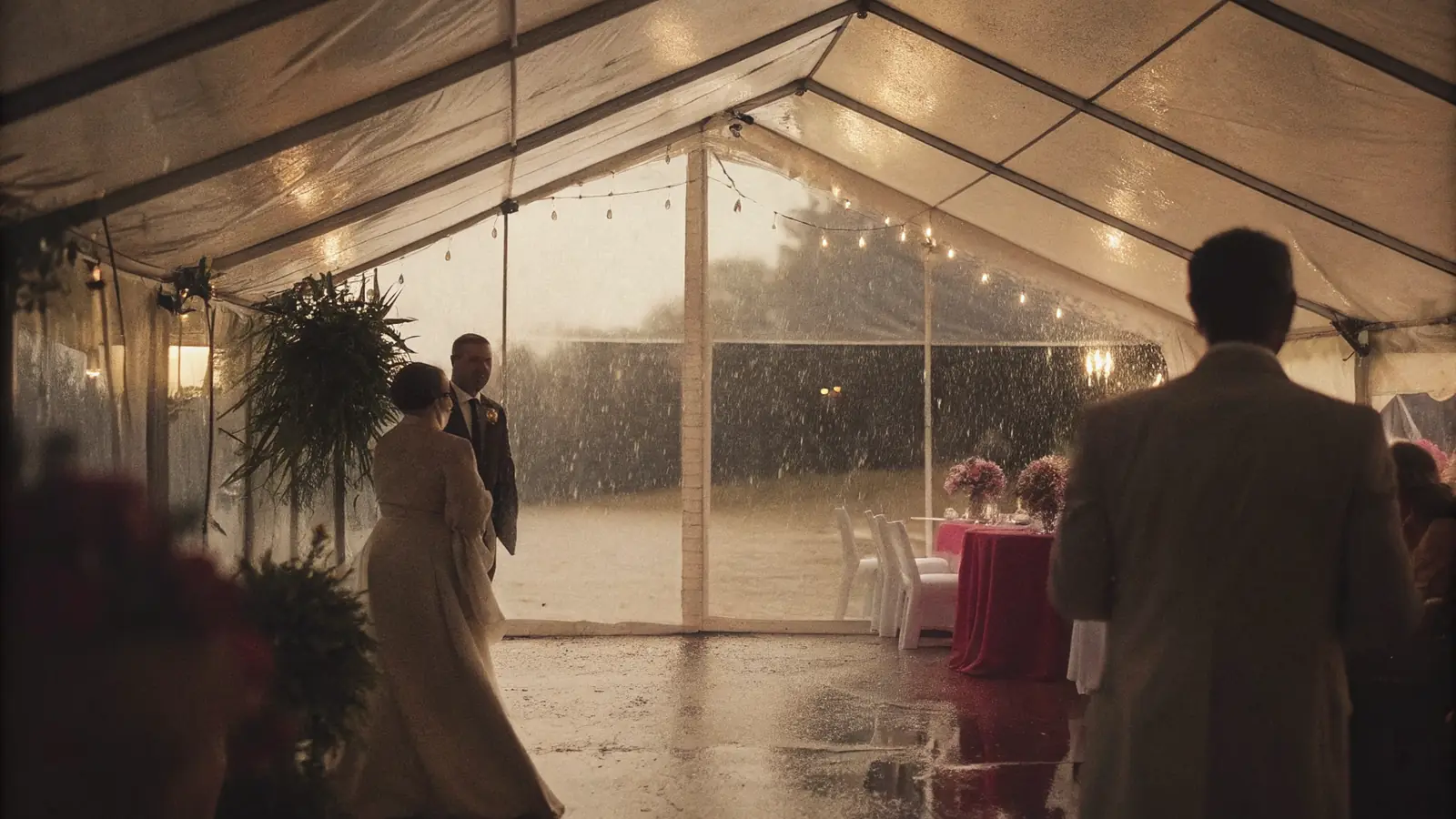
The wet season, the habagat, runs roughly June through November and brings the year's afternoon downpours and most of its typhoons. It is the stretch couples instinctively avoid — which is exactly why it can be the smart, value-rich choice for those willing to plan around the weather. The rain is real, but so is the freedom: open calendars, gentler prices, and settings at their greenest.
- Pros: open calendars, more room to negotiate, lush green settings, and cooler, more comfortable days.
- Cons: a real chance of rain or a storm, so an indoor or properly tented backup is non-negotiable.
- Best for: couples who prize choice and value over certainty and are happy to plan a solid covered alternative.
The shoulder weeks worth eyeing
The edges of each season often offer a clever middle path. Late November, as the rains taper off, or the very start of June, before they fully set in, can give you better odds of fair weather than the deep wet season while the calendars are not yet as jammed as the December rush. Forecasts are never promises — the Philippine climate does not read schedules — but these shoulder weeks tend to reward couples who book early and keep a light weather plan tucked in reserve just in case. One more factor quietly shapes the "best" month for you: your guests. Holiday-season weddings catch families already gathered and off work, while a deep-rainy-season or weekday date may ask out-of-town guests to travel through less certain weather. Weigh who you most want in the room alongside the weather and the budget, and the right window usually becomes obvious.
Whatever month you land on, the suppliers that take only one event a day are the ones to lock first, because they run out fastest in every season. A planning workspace that builds each deadline backward from your chosen date keeps the whole countdown honest from the very start. The best month, in the end, is the one that fits your budget, your tolerance for weather risk, and the date your most-wanted suppliers can actually take. Decide which of those three matters most to you as a couple, and the calendar will quietly tell you the rest.
Set your date and let a free, self-updating checklist work out every deadline around it.
Start planning freeKeep reading
More from the edit

Ready to start your own plan?
Guest list, budget, schedule, seat plan, and mood board — free with every Setnayan account.
Start planning · free