
The seating plan is the task most couples quietly dread, and for good reason — it is where cold logistics meets warm family diplomacy. Who sits near the couple, where the principal sponsors are placed, how to keep the two feuding aunties at a safe distance, and what on earth to do with the lone friend who knows nobody else in the room. Done badly, it is felt all night in awkward gaps and stranded guests. Done well, a seating plan is completely invisible; the night simply flows, and everyone assumes it arranged itself. Here is how to get there without surrendering an entire weekend to a puzzle of place cards.
Why assign seats at all
Free seating sounds easy and relaxed, but in practice it tends to create awkward gaps, leaves shy guests hovering at the edges, and can accidentally send the wrong message about who belongs where. It also has a habit of going wrong in exactly the ways you would not want: a half-empty table near the front, a cluster of strangers in the back, an elderly guest left standing while a group of friends saves seats. An assigned plan quietly looks after all of that for you. Everyone arrives already knowing they have a place, the honoured guests are clearly and visibly honoured, and nobody is left circling the room hoping a seat opens up before the program starts. The effort you spend arranging it now is comfort you hand to every single guest on the night — and at a Filipino wedding, where seating itself carries so much meaning, that trade is almost always worth making.
Place the honoured guests first
In a Filipino reception, certain seats carry real meaning, so you fill those before anything else and work outward from the centre. Get the places of honour right first, and the rest of the room tends to fall into place around them almost on its own. Get them wrong, and no amount of clever arranging elsewhere will quite undo the slight.
- The couple at the head or sweetheart table, front and centre where everyone can see them.
- Both sets of parents in places of honour, usually nearest the couple.
- The principal sponsors — ninong and ninang — at prominent tables close to the front.
- The entourage seated near the couple, so they are easy to gather for the program.
- Elderly guests away from the loudspeakers and close to an easy exit and restroom.
Worth keeping
Seat your principal sponsors with the prominence their role deserves — overlooking the ninong and ninang is the seating slight families remember.
Group by comfort, and keep it flexible
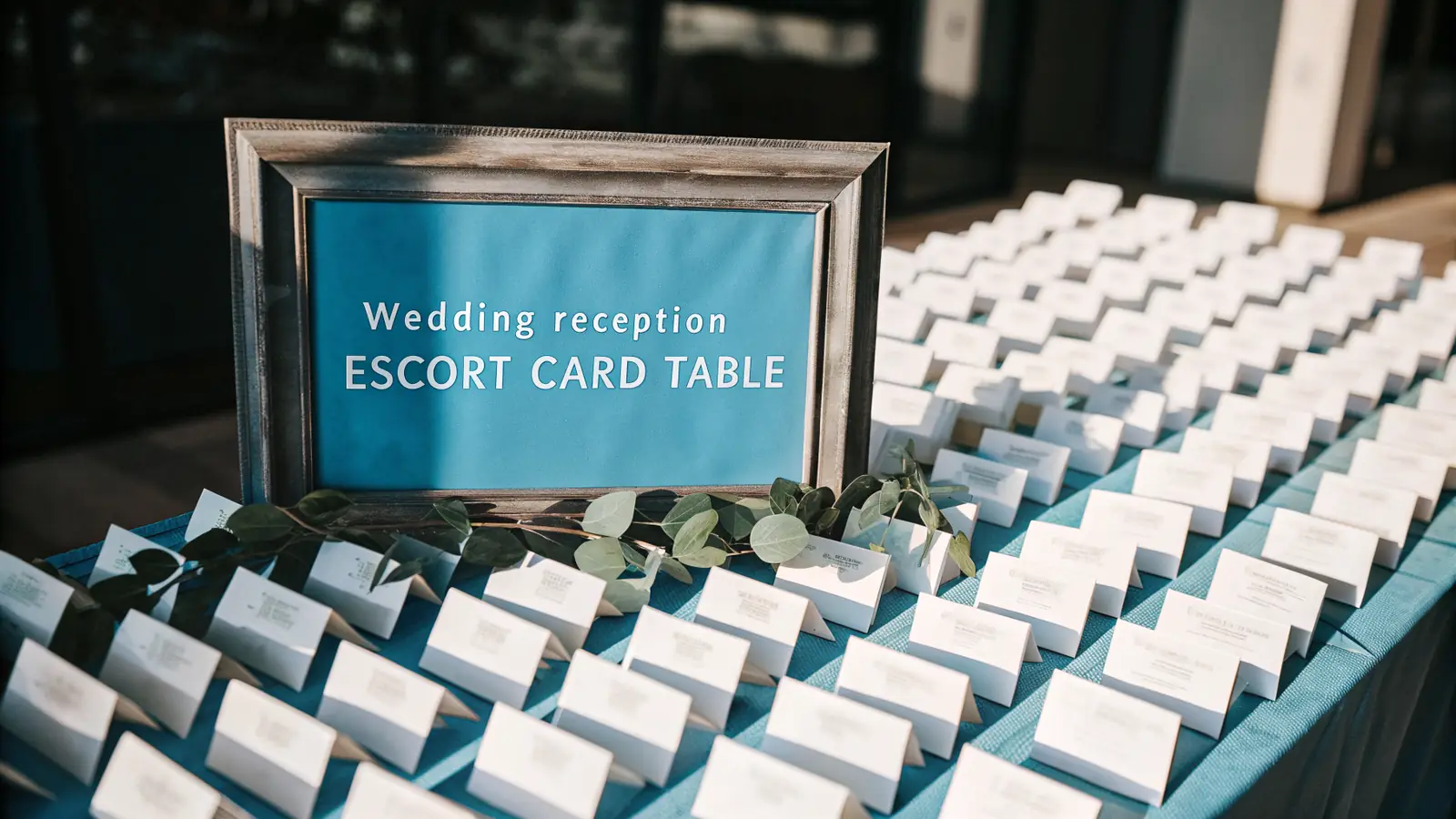
The instinct is to seat everyone strictly by family line, but the better question is always who will actually enjoy sitting together. Cluster guests who already know one another or share something in common — college friends at one table, workmates at another, the titos who follow the same teleserye together. A guest surrounded by familiar faces relaxes and stays late; one stranded among strangers watches the clock. Handle the known tensions quietly too: keep estranged relatives at a comfortable distance, with no drama and no announcement. And do not finalise anything until your RSVPs are in and your headcount is firm — late confirmations and surprise plus-ones will rearrange your careful work, so build the plan somewhere you can reshuffle in seconds rather than redraw by hand. Once it is set, place cards or a clear seating display at the entrance let guests find their tables without a bottleneck at the door.
Arrange your tables visually and reshuffle in seconds as RSVPs change — the seating planner is free with every Setnayan account.
Start planning freeKeep reading
More from the edit


Ready to start your own plan?
Guest list, budget, schedule, seat plan, and mood board — free with every Setnayan account.
Start planning · free