
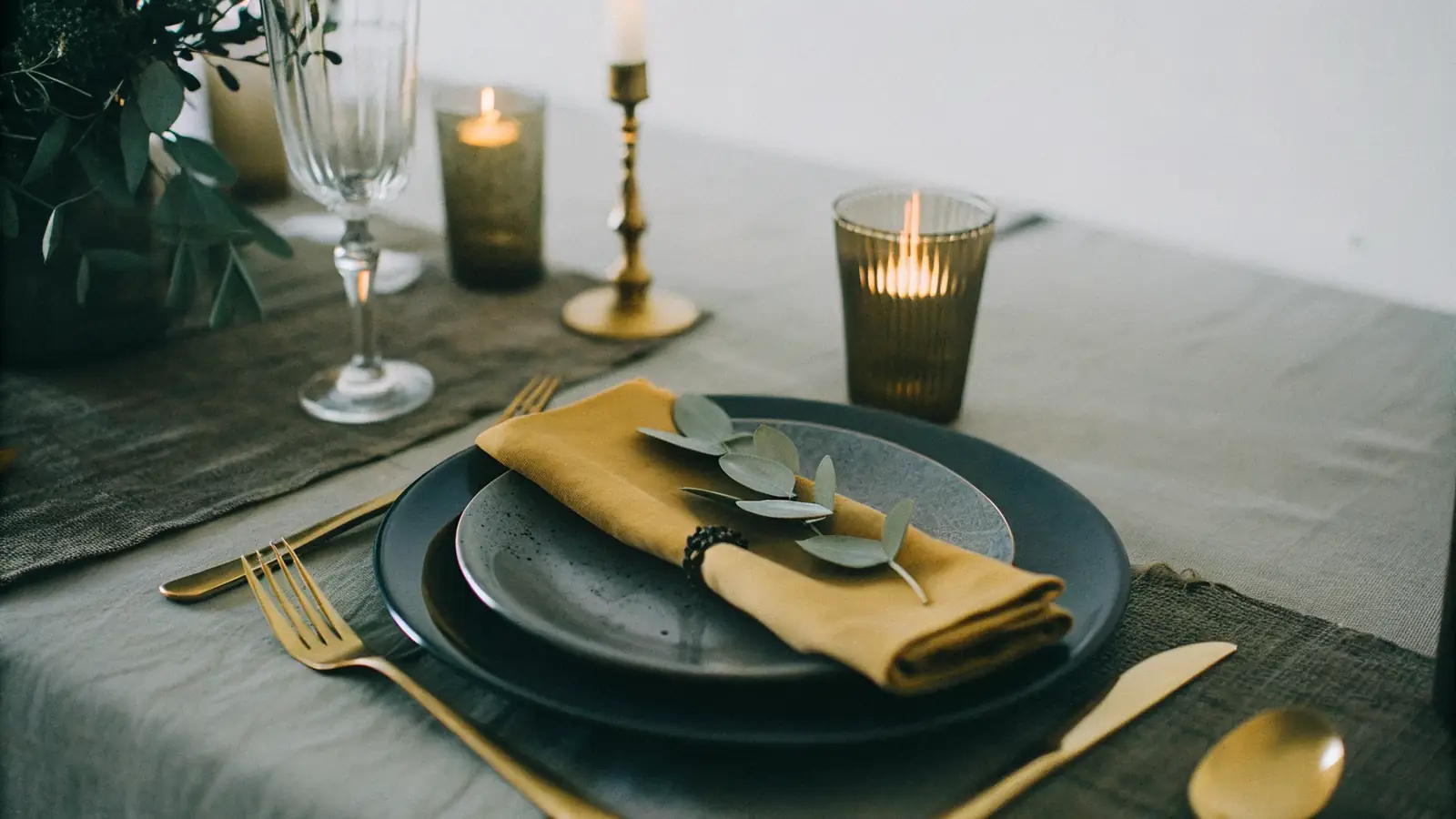
When couples picture their reception, they usually picture the food. What they rarely picture is how that food reaches the table — and yet the service style you choose quietly shapes the cost, the pace of the evening, the look of the room, and how your guests feel. Buffet, plated, and family-style each tell a different story. There is no wrong answer, only the one that fits your wedding.
Buffet: the Filipino default, for good reason
The buffet is the most common reception format in the Philippines, and it earns its place. It usually offers the widest variety of dishes per peso, lets guests choose what and how much they eat, and tends to be the most budget-friendly of the three. It also suits the warmth of a Filipino celebration — people get up, move around, and bump into family between trips to the line. The trade-offs are real, though. Buffets need space for the stations and enough staff to keep them stocked, or the line crawls. With a large guest list and a single station, you can end up with a long queue and a cold first table; the fix is usually more stations or a second serving line, so ask your caterer how they handle a crowd your size.
Plated: the most formal, the most controlled
A plated dinner is served course by course to seated guests. It is the most elegant and the most predictable: everyone is fed at roughly the same time, portions are controlled, and the room stays composed for the program. It photographs beautifully and feels distinctly upscale, which is why it suits formal ballroom weddings and couples who want a calm, sit-down rhythm to the evening.
It is also usually the most expensive, because it needs the most service staff — a healthy waiter-to-guest ratio is non-negotiable, or the courses lag and the food arrives cold. Choice is limited, too; guests typically pre-select a main, so you will need to collect those preferences ahead of time and account for vegetarian, no-pork, and allergy needs. If you love the look but not the cost, ask whether a partial plated service — plated appetiser and dessert with a buffet main — gives you the polish at a gentler price.
Worth keeping
Buffet says "help yourself, make yourself at home." Plated says "sit back, we have got you." Neither is better — they are different kinds of welcome.
Family-style: the lauriat, brought to the table
Family-style — large shared platters set down for each table — is the heart of the Filipino-Chinese lauriat and a growing favourite at intimate weddings. Dishes arrive in courses, but everyone at a table shares from the same bowls, the way a family eats at home. It is generous, communal, and avoids the buffet queue entirely.
- Best for warm, conversational receptions where you want tables talking to each other.
- Pricing often sits between buffet and plated, but confirm portioning — platters must be generous enough that no table runs short.
- Needs reliable timing from the kitchen so later tables are not waiting on later courses.
- Works beautifully for smaller guest counts; very large weddings can strain the kitchen and the service flow.
Whichever you lean toward, raise it at your first tasting. Ask how each style performs at your exact headcount and venue, what staffing it requires, and how it affects the price per head. The honest caterer will tell you which one their kitchen does best — and that answer is worth listening to.
Plan your reception from the food outward — start your free wedding workspace and keep every quote in one place.
Start planning freeKeep reading
More from the edit

Ready to start your own plan?
Guest list, budget, schedule, seat plan, and mood board — free with every Setnayan account.
Start planning · free