
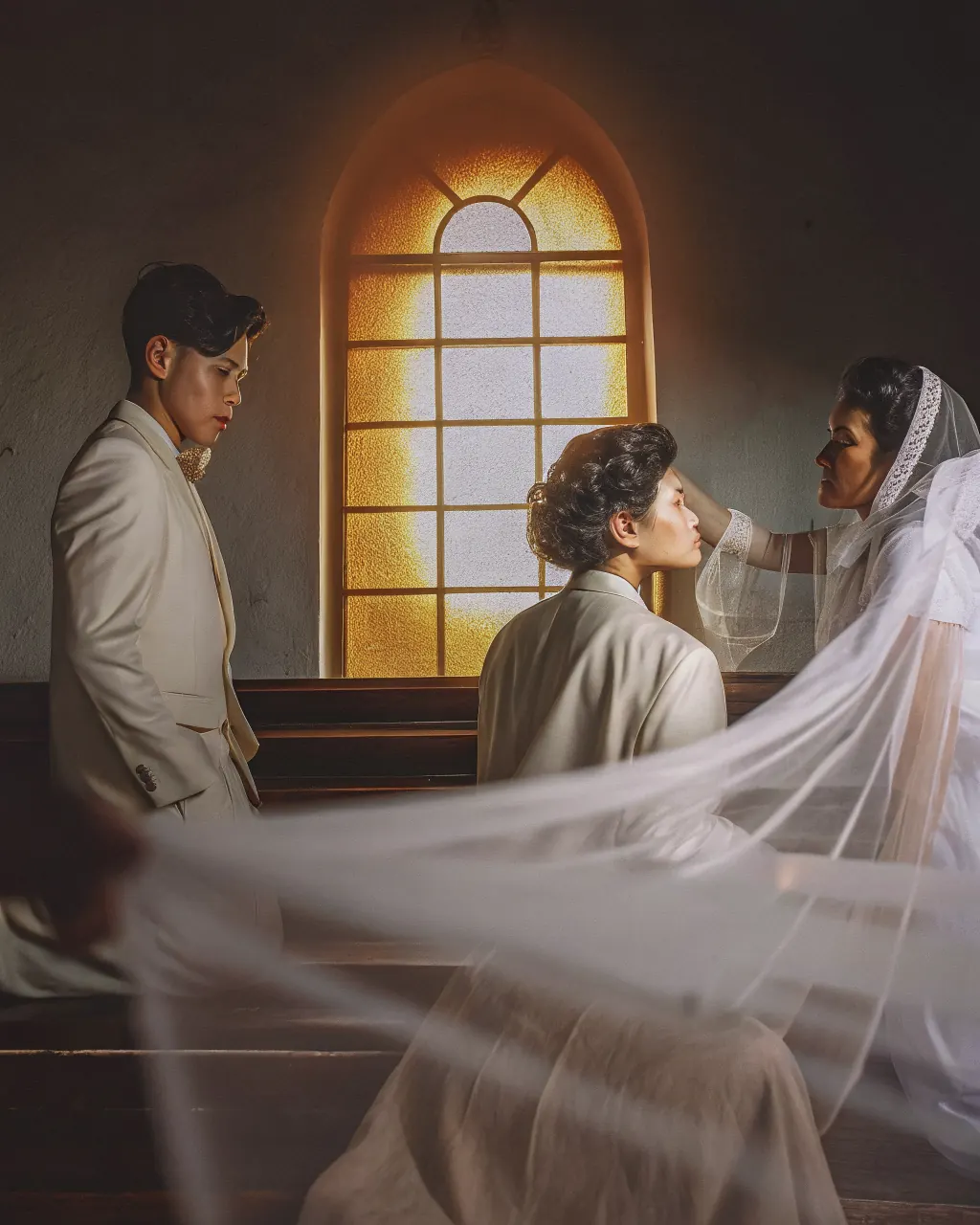
Every Filipino couple faces this early question: civil or church? Both result in a legally married couple — the difference is in the ceremony, the requirements, the timeline, and the feel of the day. Here is a clear comparison to help you decide, whether you want a quiet signing or a full liturgical celebration.
What they share
Both a civil and a church wedding require a marriage licence from the local civil registrar where either of you resides. The licence has a 10-day posting period before release and is valid for 120 days from issue, anywhere in the Philippines. Both also need valid government IDs, the licence, and — if either of you is 18 to 25 — a parental consent or advice document.
Worth keeping
Both make you legally married. The difference is the ceremony, the requirements, and the feel of the day.
The civil wedding
A civil ceremony is officiated by a judge, mayor, or other authorized officer. It is simpler, faster, and far less expensive — often the practical choice for couples who want to be married now and celebrate later, or who prefer a small, private moment.
- Officiant: judge, mayor, or other authorized solemnizing officer.
- Setting: city or municipal hall, or a venue the officer agrees to.
- Timeline: can be arranged within weeks once the licence is ready.
- Cost: minimal beyond the licence and modest officiant fees.
The church wedding
A church wedding adds the religious sacrament and, for many Filipino families, the emotional heart of the day. It also adds requirements and lead time. A Catholic wedding, for example, typically asks for recent baptismal and confirmation certificates with a "for marriage" annotation, a Pre-Cana or pre-marriage seminar, canonical interviews, and marriage banns posted in your parishes.
- Officiant: priest, pastor, imam, or minister of your faith.
- Setting: your parish or chosen place of worship.
- Timeline: start 6–12 months ahead — seminars, certificates, and church calendars take time.
- Cost: church and sacristy fees plus the requirements above, on top of the licence.
How to choose
Choose civil if you value simplicity, speed, and lower cost, or if a religious ceremony is not part of your story. Choose church if the sacrament and the tradition matter to you and your families. Many couples do both — a civil wedding for the legal date and a church celebration later — which is perfectly common and entirely up to you.
Setnayan adapts your plan to your ceremony type — Catholic, civil, INC, Christian, Muslim, cultural, or mixed.
See how planning adaptsKeep reading
More from the edit


Ready to start your own plan?
Guest list, budget, schedule, seat plan, and mood board — free with every Setnayan account.
Start planning · free