
A Filipino wedding is layered with symbolism — some Spanish-Catholic in origin, some uniquely ours, many simply joyful. Whether you are planning your own or attending as a guest, here is what the moments mean.
The ceremony rites
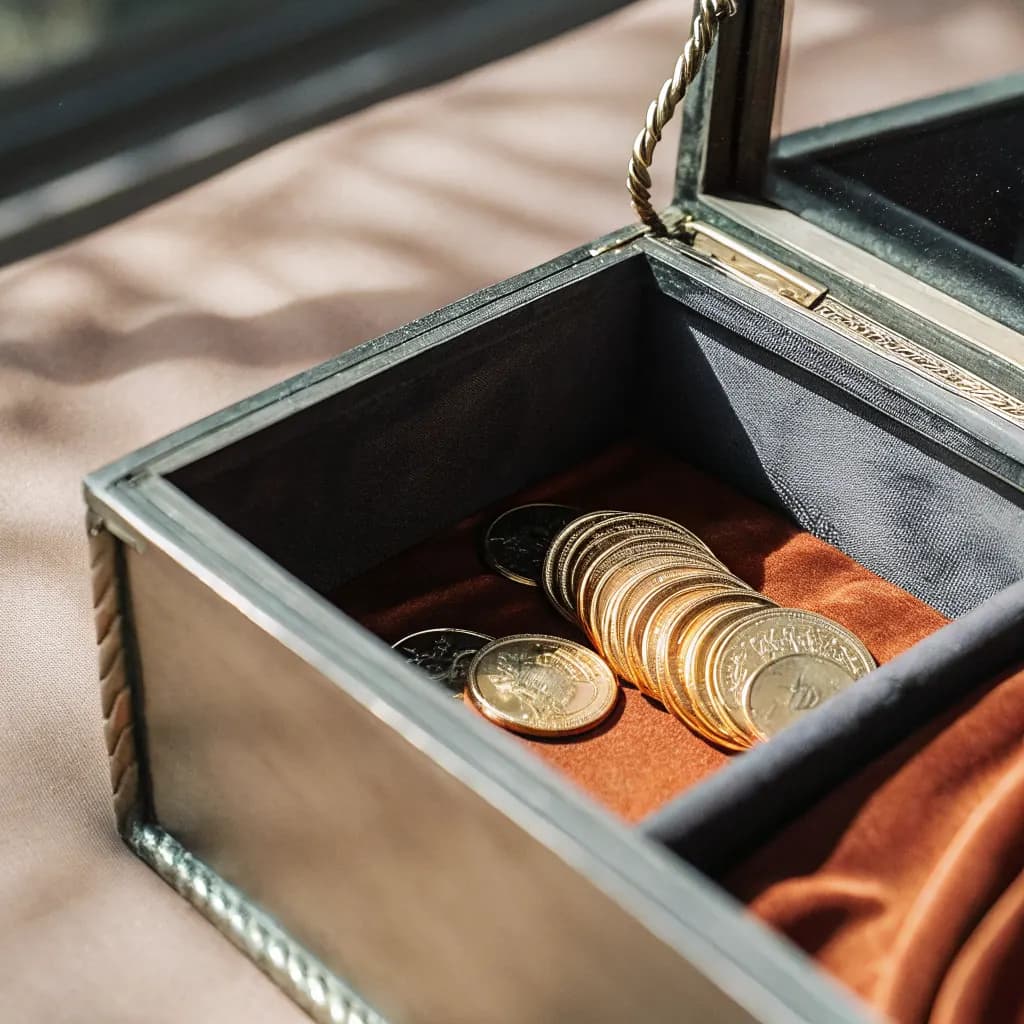
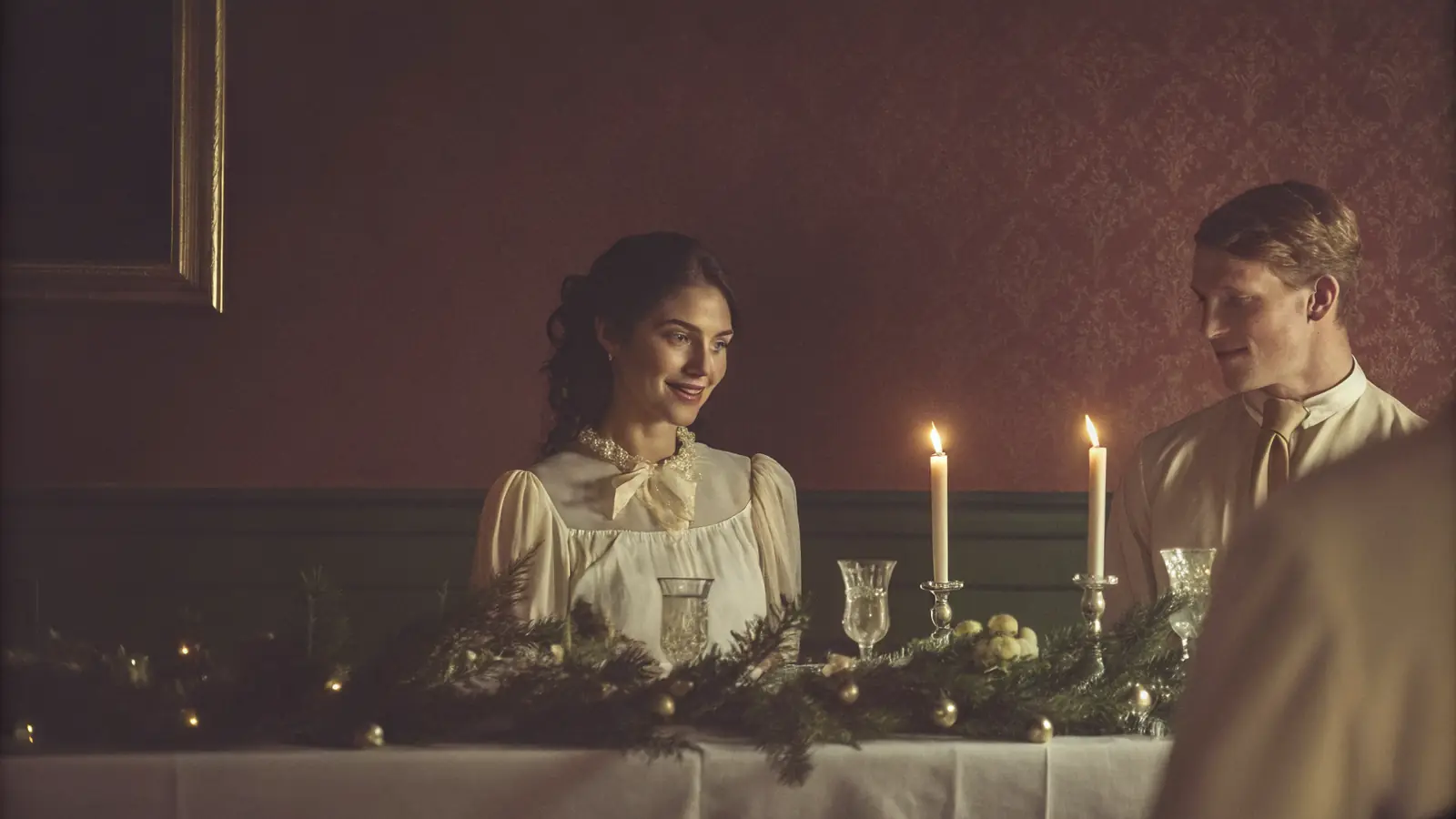
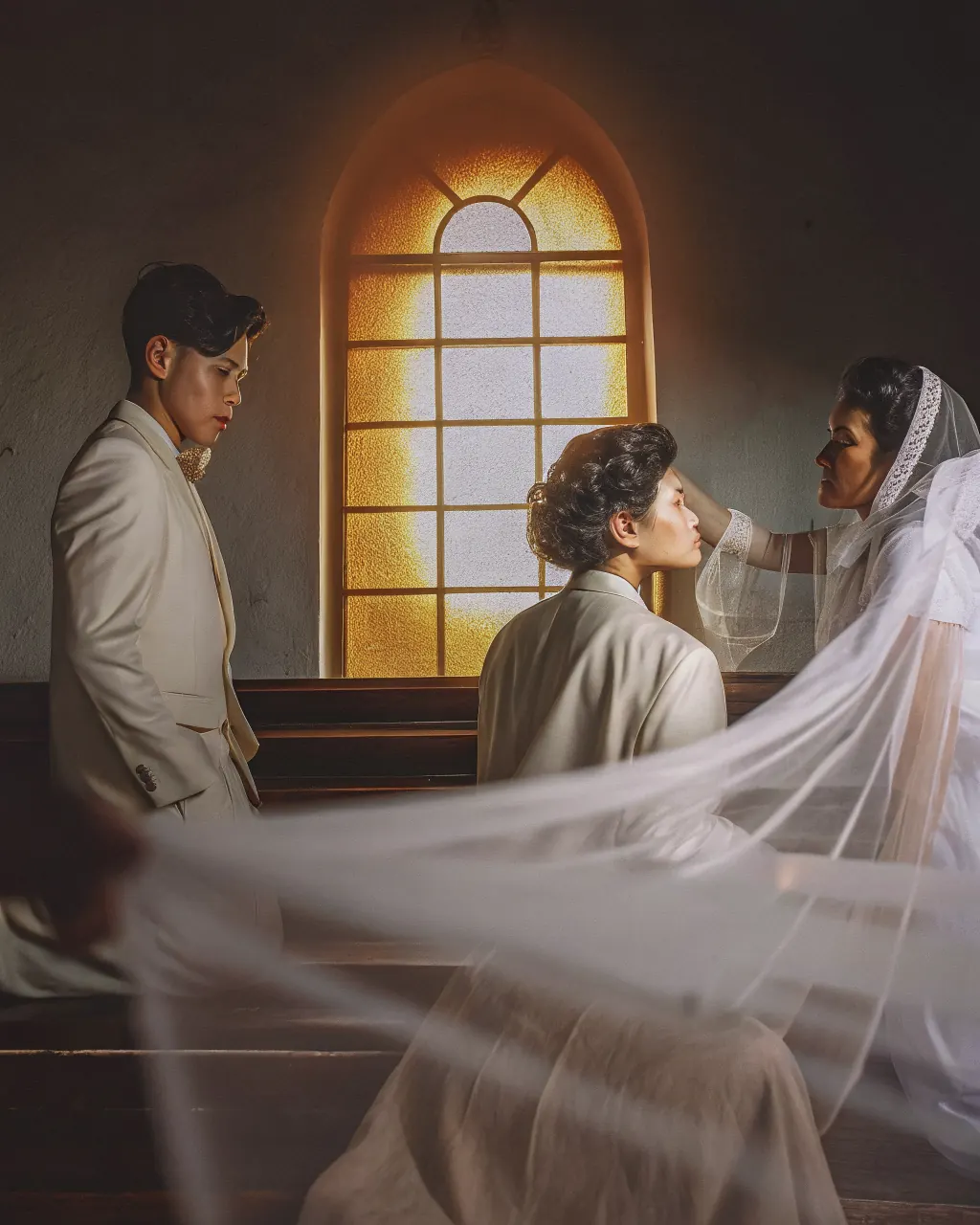
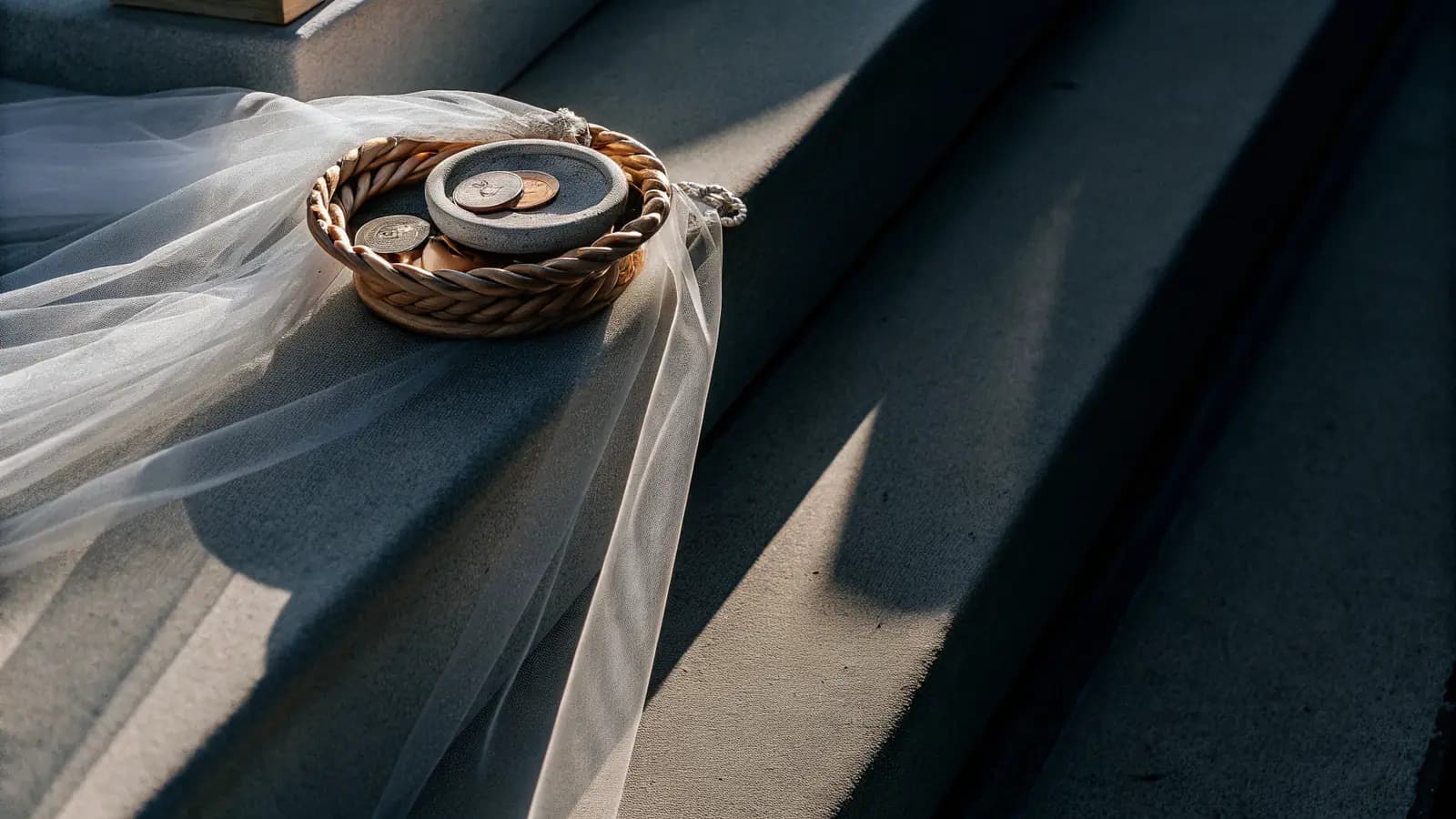
During the ceremony, secondary sponsors perform three symbolic acts: candle sponsors light two candles for God's presence in the union; veil sponsors drape a veil over the couple to symbolize being clothed as one; and cord sponsors place a figure-eight cord, the yugal, to represent everlasting union. The groom also gives the arrhae — 13 blessed coins — as a pledge to provide for the family.
Worth keeping
The yugal — a figure-eight cord — is draped over the couple to symbolise everlasting union.
Reception customs
- The money dance (or "prosperity dance") — guests pin bills onto the couple as they dance, a shared wish for prosperity.
- The release of doves or butterflies — a symbol of harmony and a long life together.
- The cake cutting and wine toast — sharing the first sweet and the first drink as a married couple.
- Tossing the bouquet and garter — the lighthearted send-off for the next to marry.
Regional and modern touches
Customs vary across regions and faiths, and many couples now blend tradition with their own ideas — a same-day-edit video, a live band for the first dance, a Music Maker song written just for them. The traditions ground the day; the personal touches make it yours.
Planning your own? Setnayan's guest list carries the full Filipino entourage — sponsors, bearers, ninong, and ninang.
Start planning freeKeep reading
More from the edit
Ready to start your own plan?
Guest list, budget, schedule, seat plan, and mood board — free with every Setnayan account.
Start planning · free