
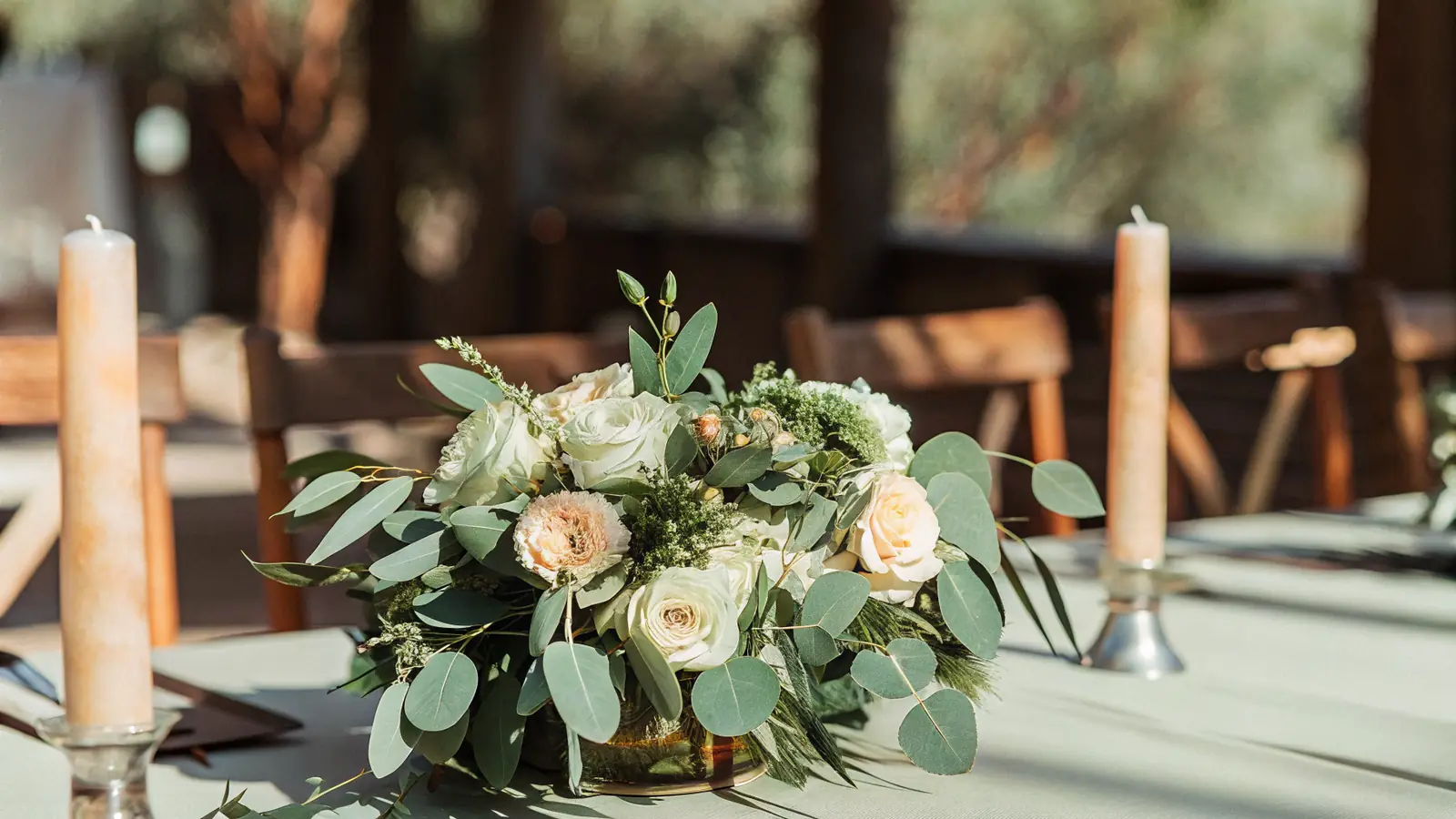
The wedding cake is the rare supplier that is equal parts dessert and decor. It anchors a corner of the room, stars in one of the most-photographed moments of the day, and — at Filipino weddings — often carries a sweet tradition of its own. Yet many couples book a cake on looks alone and discover, too late, that half of it was never meant to be eaten. A little knowledge upfront saves money and spares you surprises.
Real tiers, fake tiers, and what you are paying for
A towering multi-tier cake looks magnificent, but you rarely need all of it to be real. Many couples choose a display cake — one or two genuine tiers for the cutting ceremony, with the upper tiers styled from foam or dummy forms that look identical in photos. The kitchen then serves guests from a separate sheet or back-up cake. This is standard practice, not a trick, and it can cut cost dramatically.
- Decide how many guests actually need cake — often dessert is already covered by the caterer, so the cake is ceremonial.
- Ask which tiers are real and which are dummy, and whether a separate sheet cake serves the room.
- Confirm the cake you cut is real on at least one tier — you do want to cut into something.
- Match the size to the moment, not the spectacle: a beautiful two-tier cake photographs as well as a five-tier one.
Flavour, fondant, and the Philippine heat
Taste matters as much as looks, so include the cake in a tasting if you can. The bigger, often-overlooked factor is the weather. Buttercream is delicious but softens fast in a warm, un-airconditioned venue, while fondant holds its shape and a crisp finish in the heat — at the cost of a firmer bite. Talk through your venue and the time of year with your baker, because a cake that looks perfect at noon can slump by the reception.
Worth keeping
The most beautiful cake is the one that is still standing at the reception. In a Philippine summer, that is a structural question as much as a flavour one.
The cake pull, and the questions to settle early
Many Filipino weddings include the cake-pull or ribbon-pull tradition: charms or ribbons tucked into the lower tier, drawn by single guests, each one a small fortune for the year ahead. If you want it, tell your baker so the cake is built to hold the charms safely. It is a charming, inclusive moment that brings the entourage into the spotlight.
- Confirm delivery and setup: who transports the cake, when it arrives, and who assembles tiers on site.
- Ask about a cooled holding spot at the venue, especially for buttercream in warm weather.
- Clarify what happens to leftover cake and whether you keep the dummy tiers or display props.
- Settle corkage if the venue or caterer charges for an outside cake — get the fee in writing.
As a rough 2026 market guide, wedding cakes in the Philippines range from a few thousand pesos for a simple styled display to well into five figures for elaborate custom designs with multiple real tiers, sugar flowers, and hand-painted detail. Spend where it shows — the cutting tier, the silhouette, and the design that lands in your photos — and save quietly where it does not, on the upper tiers no one will taste. The best wedding cake is not the tallest or the most expensive; it is the one that looks like you, tastes good to the people who actually eat it, and is still standing, beautiful and upright, by the time you cut it.
Find cake designers near your venue and compare styles and packages, commission-free.
Browse the vendor marketplaceKeep reading
More from the edit

Ready to start your own plan?
Guest list, budget, schedule, seat plan, and mood board — free with every Setnayan account.
Start planning · free