
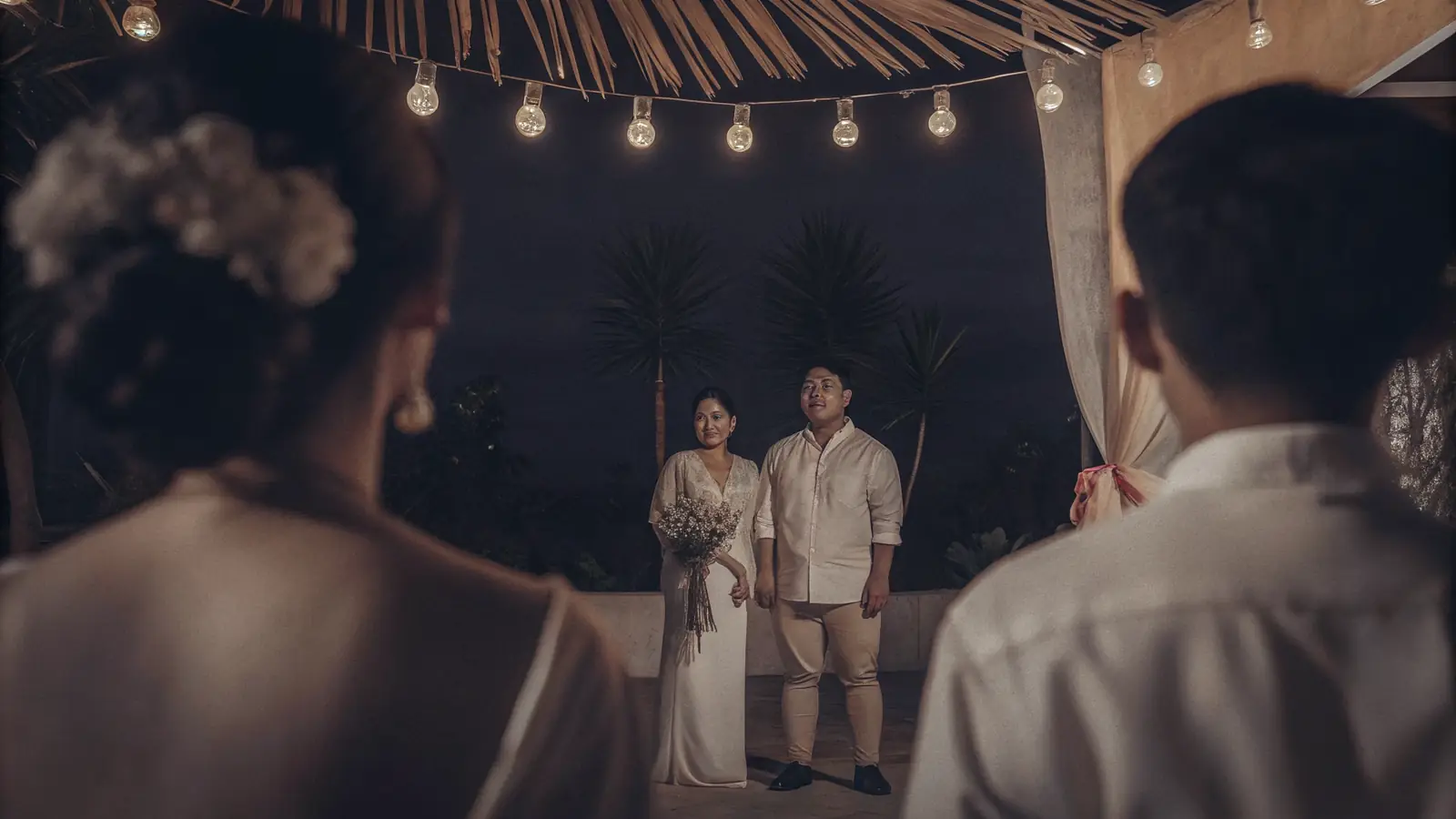
For many Chinese-Filipino couples, a wedding is where two heritages meet gracefully. The church or civil ceremony may follow a familiar Filipino form, but woven around it are customs carried from Chinese tradition — and the most beloved of all is the tea ceremony. It is an intimate, deeply moving moment of respect for parents and elders, and for many families it is the emotional centre of the entire day. Practices differ from family to family and from one generation to the next, so treat this as a warm general guide and let your elders lead on the particulars.
The tea ceremony — respect, served in a cup
In the tea ceremony, the couple serves tea to their parents, grandparents and elder relatives as a gesture of gratitude and respect. The elders, in turn, offer their blessings and formally welcome the new son or daughter into the family. It is usually a private, family-focused ritual held at home or before the reception, and it often moves everyone present to tears. Unlike the public spectacle of the reception, this is a quiet, almost sacred exchange between generations.
There is a gentle order to it. The couple usually serves the most senior relatives first and works outward through the family, addressing each elder by their proper title — a small detail that carries real weight, because using the correct family term is itself a sign of respect. An older relative or a hired coordinator who knows the family tree often helps the couple get the sequence and the titles right.
- The couple kneels or bows and offers tea to each elder, often in a set order of seniority.
- Elders sip the tea, then give their blessing — and frequently a red envelope (ang pao) or a piece of gold jewellery.
- Addressing each elder by their proper family title is part of the respect being shown.
- It is usually held privately, away from the larger crowd, which keeps the moment tender.
Worth keeping
A single cup of tea, offered with both hands, says what a thousand words cannot: thank you, and please bless us.
Red, gold and ang pao
Red is the colour of joy and good fortune, and it appears throughout — in décor, in attire (a bride may change into a red qipao or cheongsam for part of the day), and in the ang pao, the red envelopes of money given as blessings. Gold, doubled symbols and other auspicious details often feature too. Many families also consult a trusted elder or almanac when choosing the wedding date, favouring a day considered fortunate. None of this is superstition for its own sake; it is a way of wrapping the marriage in good wishes from the very start.
Blending two traditions in one day
Most Chinese-Filipino couples comfortably hold both worlds: a Catholic, Christian or civil ceremony for the legal and religious union, and the tea ceremony plus other Chinese customs for the family honours. The key to a smooth day is sequencing — deciding what happens when, and making sure elders on both sides understand the flow. A morning tea ceremony, an afternoon church wedding and an evening banquet is one common shape, but yours can be whatever lets both heritages breathe.
Running two traditions in a single day takes a clear timeline. A free planning workspace lets you lay out the church, the tea ceremony and the reception side by side, and a free wedding website helps relatives — including those overseas — follow the same schedule without a dozen group chats.
Sequence your tea ceremony and reception together in one simple plan.
Start planning freeKeep reading
More from the edit
Ready to start your own plan?
Guest list, budget, schedule, seat plan, and mood board — free with every Setnayan account.
Start planning · free