
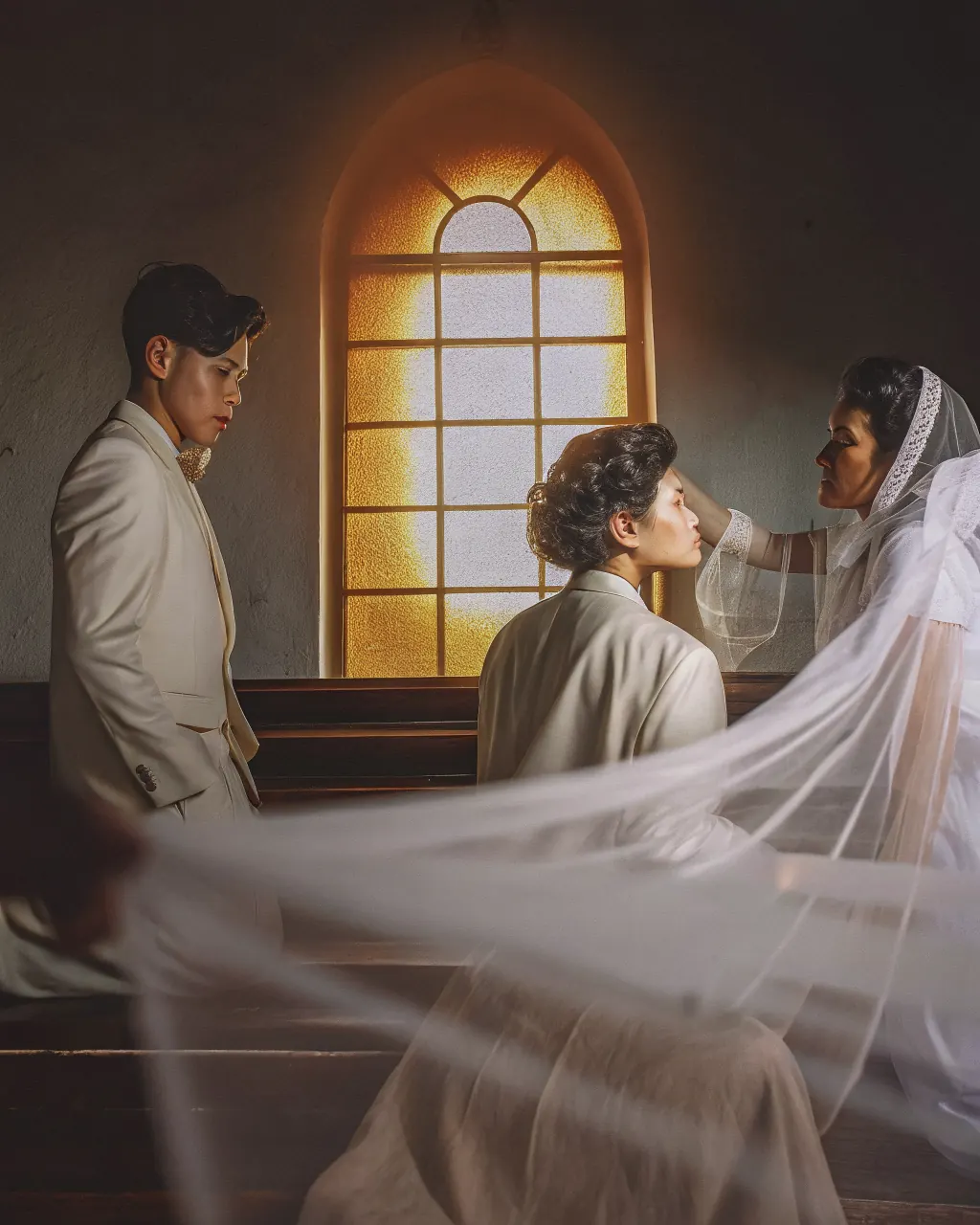
The Aglipayan wedding belongs to the Iglesia Filipina Independiente — the Philippine Independent Church — a homegrown church born of the Filipino spirit at the turn of the twentieth century. For couples unfamiliar with it, the ceremony will feel close in form to a Catholic or Anglican rite: a liturgical church wedding led by a priest, rich in sacramental symbol. Many guests will not even notice a difference, while members feel the quiet pride of marrying within a uniquely Filipino faith. What follows is a respectful, general overview. The exact requirements and order of service are set by the parish, so let your own priest be your guide on the particulars.
A familiar liturgical form
Because the Iglesia Filipina Independiente shares much of its liturgical heritage with the Catholic and Anglican traditions, an Aglipayan wedding will be recognisable to most Filipino guests. It is a solemn church ceremony, officiated by a priest, with the rhythm and dignity of a liturgical celebration. Couples often see the same beloved Filipino sacramental symbols woven in, which means guests of many backgrounds tend to feel immediately at home in the pews.
For couples drawn to the gravity and beauty of a traditional church wedding — but with roots in this distinctly Filipino faith — the Aglipayan ceremony offers both. It carries the weight of a sacramental rite while belonging fully to a church founded on Filipino soil, by Filipinos, for a Filipino congregation. That heritage is a source of real pride for many families, and it gives the day an added layer of meaning.
- A priest of the Iglesia Filipina Independiente officiates in the church.
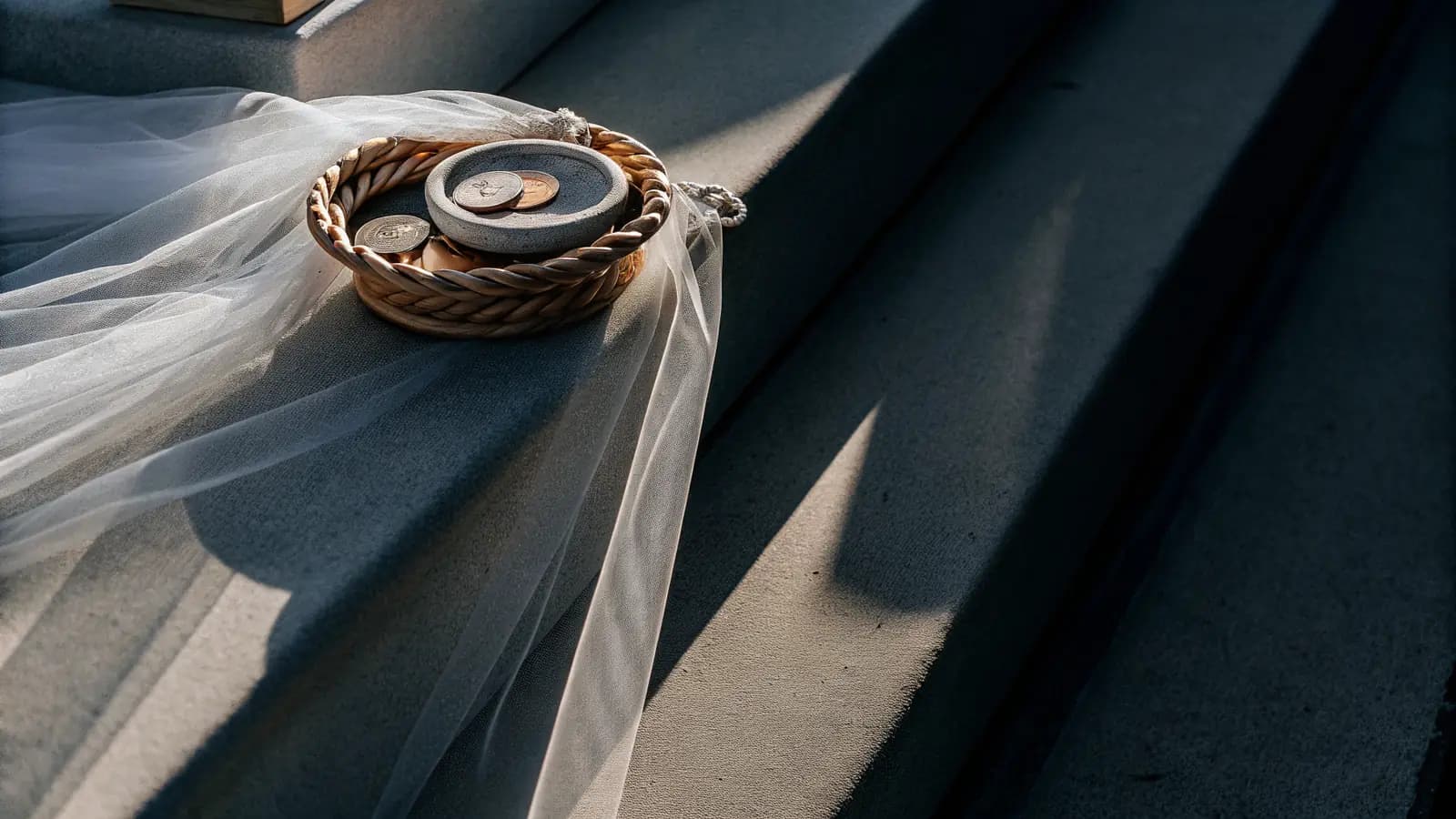
- The veil, cord (yugal) and arrhae (thirteen coins) commonly appear, as in many Filipino church weddings.
- Sponsors — ninong and ninang — are part of the entourage, as in the wider tradition.
- The overall feel is close to a Catholic or Anglican rite, with a proudly Filipino character.
Worth keeping
The Aglipayan church is a distinctly Filipino institution — its weddings carry both the dignity of the old rite and the pride of a homegrown faith.
Confirming the requirements
As with any church wedding, the parish sets its own requirements — documents, schedules, and any preparation it asks of the couple. These can differ from parish to parish, so the right move is to visit your local Aglipayan church early and ask directly. We keep specifics general here precisely because your parish, not an article, is the authority. An early visit also lets you build a warm relationship with the priest who will marry you, which makes the whole experience more personal. Bring your questions, take notes, and let the parish set the pace for the religious preparation.
The shared Filipino layer
Around the ceremony, the planning mirrors any Filipino wedding: the entourage and sponsors, the reception, the caterer and the photographer. The civil requirement — the marriage licence — applies to every marriage in the country and should be handled early, because the legal timeline does not bend regardless of which church marries you. If the sacramental symbols are new to you, our explainer on Filipino wedding traditions unpacks the veil, the cord and the thirteen coins so guests and couple alike understand what each one means.
A free planning workspace keeps the reception, budget, suppliers and guest list organised while your parish guides the rite — and a free Event Hub makes it easy to share the day with family near and far. With the practical details in hand, you can give the ceremony itself the attention it deserves, and lean on your priest for everything that touches the rite.
Curious about the veil, cord and coins? Here is what each one means.
Start planning freeKeep reading
More from the edit
Ready to start your own plan?
Guest list, budget, schedule, seat plan, and mood board — free with every Setnayan account.
Start planning · free