
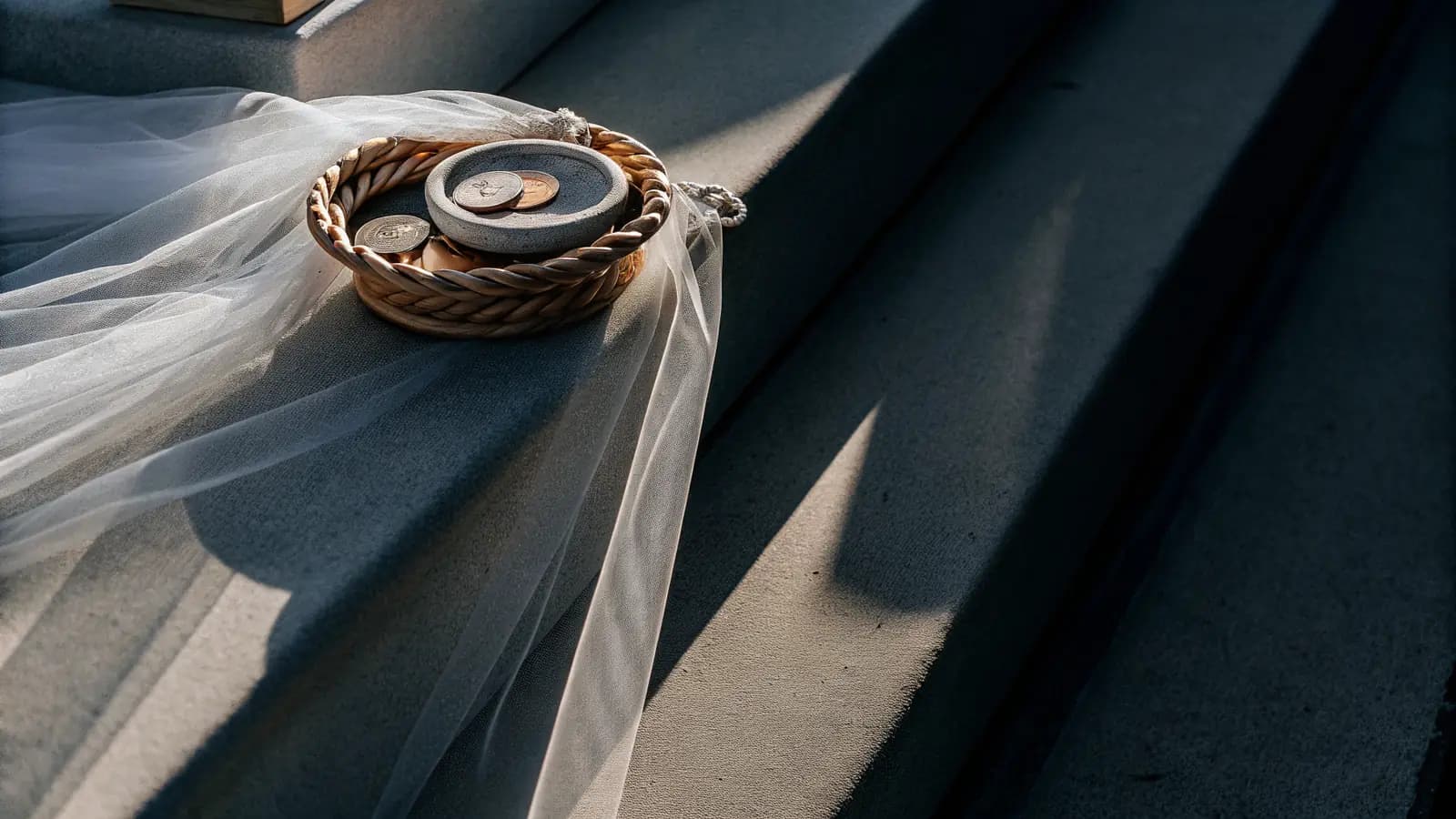
Ask a Filipino lola about weddings and you will get more than advice — you will get pamahiin, the gentle web of superstitions that surrounds a marriage from the engagement to the morning of the wedding. Some couples follow them to the letter; many smile and observe a few "just in case"; plenty set them aside entirely with a laugh. Either way, the pamahiin are part of the texture of a Filipino wedding, passed down with love and a little fear, and they are worth knowing even if you never intend to follow a single one — because the relatives at your wedding almost certainly grew up with them.
Where pamahiin come from
Pamahiin are folk beliefs, handed down through families rather than written in any official rulebook, and they vary widely from province to province and household to household — what is iron law in one town is unheard of in the next. Most are not really about fate so much as care. They are an older generation's way of wishing the couple a smooth, abundant, conflict-free life, dressed up as a warning so the wish has teeth. Read them that way and even the sternest ones soften into something that sounds a lot like love. Behind "do not do that" is almost always "I want nothing bad to touch you."
Worth keeping
Most pamahiin are simply love in the shape of a warning — an elder's wish for the couple, handed down as a rule.
Some you may hear
These show up often, though by no means everywhere, and you will likely have a relative who swears by at least one of them.
- Siblings should not marry in the same year — said to bring bad luck, so families often deliberately space the weddings out across calendar years.
- The bride should not try on her finished gown before the wedding day, lest the wedding somehow not push through.
- Rain on the wedding day is read as a blessing — a sign of prosperity and abundance pouring down, not bad luck at all.
- The couple should not give each other sharp gifts like knives or scissors, which are thought to "cut" the relationship.
- Dropping the ring, veil, arrhae, or any ceremonial item is taken as a small ill omen — so everyone handles them with extra care.
- Brides traditionally avoid long trips or risky activities just before the wedding, to arrive safe, rested, and well.
How to hold them lightly
You do not have to choose between "believe everything" and "believe nothing." Many couples honour the pamahiin that matter to their elders — it costs little to space out a sibling's wedding or to keep the finished gown for the day itself — and quietly let the rest go. If a relative raises one that genuinely conflicts with your plans, treat it as care rather than command. A warm "we hear you, and here is what we have decided to do" usually keeps the peace far better than a debate about whether it is true. The beliefs vary by family and region, so when in doubt, ask the elder who raised it what it means to them; you will often learn a small family story you would have missed otherwise.
The point underneath
Strip away the specifics and almost every pamahiin says the same thing: may your marriage be safe, abundant, and long. Whether or not you follow a single one, that is a blessing worth carrying into the day — and a generous way to understand the relatives who keep reminding you about them.
Curious about the rites and reception customs too? Read our overview of Filipino wedding traditions.
Start planning freeKeep reading
More from the edit
Ready to start your own plan?
Guest list, budget, schedule, seat plan, and mood board — free with every Setnayan account.
Start planning · free