
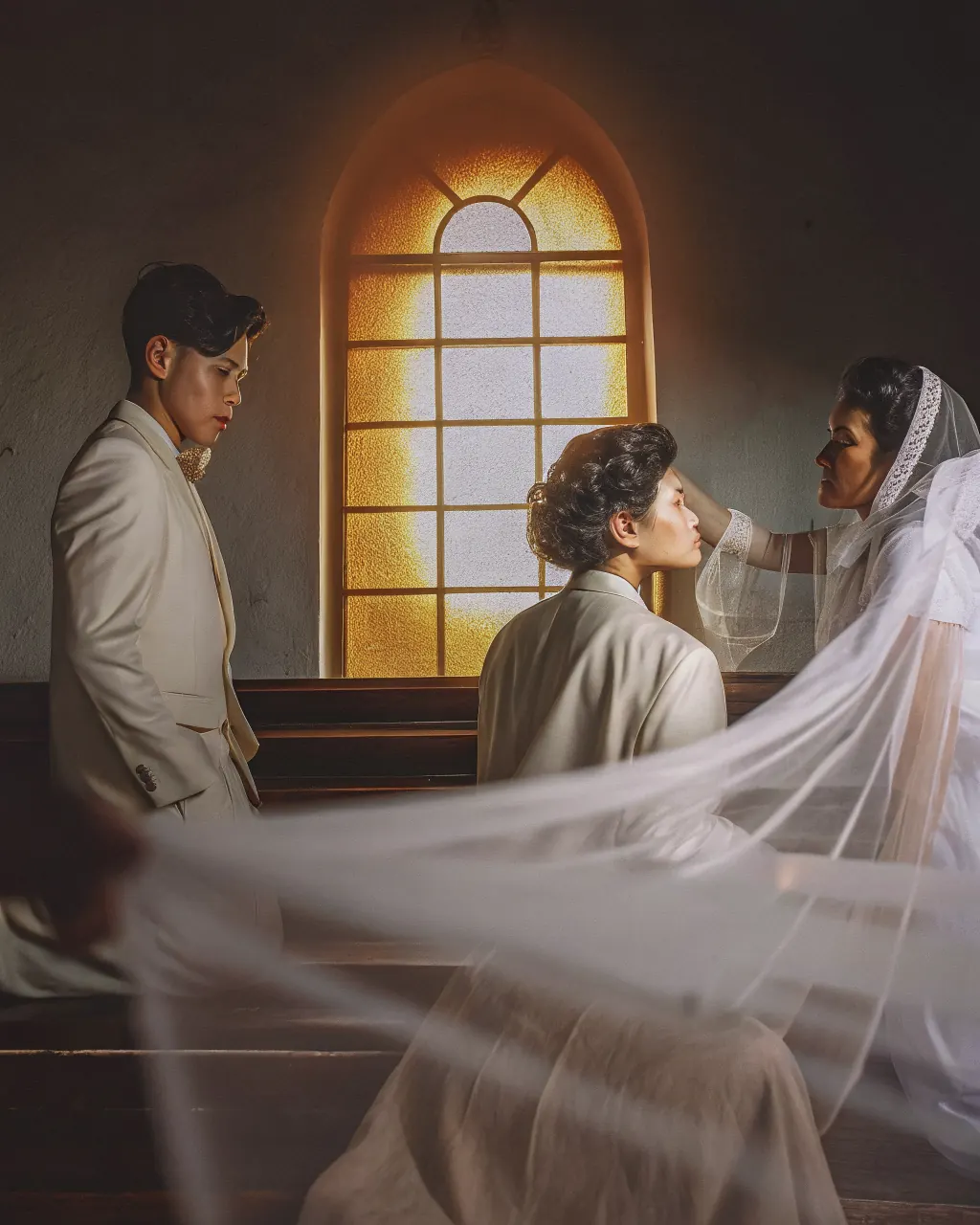
A wedding within the Iglesia ni Cristo is a solemn, faith-centred occasion held within the life of the church. It is conducted in the congregation’s own chapel, officiated by a minister of the church, and follows the church’s own order and requirements. Because the ceremony is governed entirely by the congregation, the most important guidance for any couple comes from their own minister. This article offers only a respectful, general sense of what to expect, and defers to the church on every specific — there is no substitute for speaking directly with your congregation.
Held within the congregation
Unlike a venue you book on the open market, the ceremony takes place in the Iglesia ni Cristo chapel and is led by a minister of the church. The form, the words and the conduct of the wedding follow the church’s established practice. Couples who are members are guided through the process directly by their local congregation, and that guidance — not any outside source, and certainly not a wedding blog — is the authority on what is required and how the day unfolds. The respectful thing to do is to let the church lead and to plan everything else around it.
For couples, this can actually be a relief. The most spiritually significant part of the day is held and shaped by people who know exactly how it should be done, which removes a whole category of decisions and worries. Your role is to follow the congregation’s guidance faithfully, to keep your minister informed of your plans, and to prepare yourselves for marriage in the way the church asks of you.
What this means for your planning
Because the ceremony itself is arranged within the church, a couple’s outside planning energy goes mostly into the reception and the surrounding logistics, plus the civil legal requirements that apply to every Philippine marriage. The reception — the venue, the caterer, the photographer, the guest list — is yours to plan in the usual way, and it is where most of your supplier decisions will be made. Treat it as you would any celebration: set a budget, build a guest list, and choose suppliers you trust.
- The ceremony and its requirements are set by your congregation — speak with your minister early.
- Plan the reception, suppliers and guest list as you would for any celebration.
- The civil legal requirements (the marriage licence) still apply — see our guide to those.
- Confirm anything you are unsure of directly with the church, not from outside sources.
Worth keeping
For the sacred parts of the day, there is one right source: your own congregation and its minister.
The legal layer applies to everyone
Whatever the religious form of a wedding, every marriage in the Philippines needs to meet the civil requirements — chiefly the marriage licence. That part is the same across faiths, and it is worth handling early because the timeline does not bend for anyone. Our explainer on marriage-licence requirements walks through the documents, the waiting period and where to file, so the paperwork never becomes a last-minute scramble.
For everything outside the ceremony, a free planning workspace keeps the reception, budget, suppliers and guest list organised, and a free wedding website makes sharing the details easy with family near and far. We keep the religious specifics general here out of respect — your congregation is the one to ask, and the only one with the answers that count. Treat anything you read elsewhere as background, and let your minister have the final word.
Handle the civil paperwork on time — here is exactly what a marriage licence requires.
Start planning freeKeep reading
More from the edit

Ready to start your own plan?
Guest list, budget, schedule, seat plan, and mood board — free with every Setnayan account.
Start planning · free