
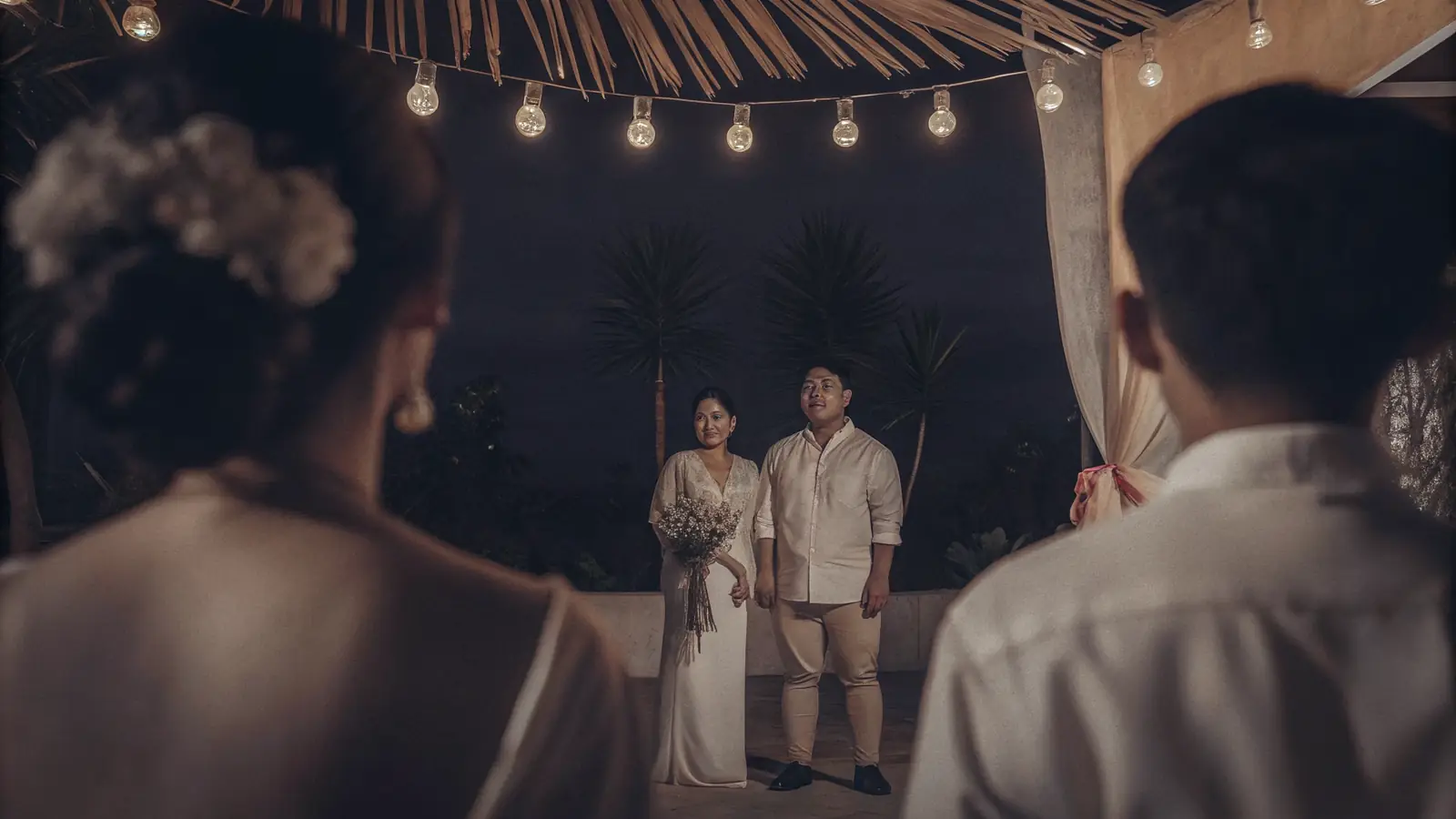
Ilocano weddings carry the temperament of the North: practical, deeply rooted in family, and quietly generous. The region is known for valuing thrift and hard work, and you can feel it in how a wedding is planned — every peso considered, every relative involved, nothing wasted. But do not mistake thrift for restraint. An Ilocano celebration is full of heart, and the customs around it have endured for generations. Here is a respectful overview; as always, the exact practices vary by family and town, so let your elders guide the details that matter most to you.
Family at the centre
As across much of the Philippines, the two families meet formally before the wedding to ask for the bride’s hand and agree on the plans. In Ilocano households this gathering is taken seriously: it is where responsibilities are divided, the date is set, and the sponsors are named. Respect for elders runs through everything, and their counsel often shapes the biggest decisions — from the choice of date to the size of the celebration. A couple who brings the elders along early tends to have a much smoother road to the altar. There is a quiet practicality at work too: by settling money and roles around a table, with food shared and elders present, an Ilocano family avoids the awkward late conversations that strain so many weddings. What looks like ceremony is also good planning — the kind that keeps a celebration affordable and a family at peace.
The bitor — a tradition of shared support
Perhaps the most well-known Ilocano wedding custom is the bitor: a gift-giving or money-pinning tradition where guests, family and friends contribute to help the newlyweds begin married life. In some celebrations it takes the form of the familiar money dance, with bills pinned to the couple as they dance; in others it is a more formal offering received and recorded by a relative. Whatever the form, the spirit is the same — the community pools its resources so the couple does not start out alone, and the gesture is remembered for years.
- It reflects the Ilocano value of bayanihan — neighbours helping neighbours.
- Contributions are sometimes recorded so the couple can return the kindness at future weddings.
- It eases the financial weight on the couple and their parents.
- It turns the reception into a genuine act of community, not just a party.
Worth keeping
The bitor says something gentle about the North: no couple should have to begin their married life carrying the whole cost alone.
The ceremony and the table
Most Ilocano couples marry in a Catholic church, sharing the veil, cord and arrhae symbols common across the country. The reception that follows is hearty and unpretentious. Ilocano cuisine is famous for its bold, frugal genius — pinakbet, bagnet, dinardaraan, longganisa — and a wedding table is a wonderful chance to show it off. Expect food that is rich in flavour and rooted in the land, served generously to a room full of relatives who travelled in from across the region.
The thrift the region is known for is a planning asset, not a limit. Careful budgeting and a clear timeline let an Ilocano couple host a celebration that feels abundant without overspending — choosing where to be generous (the food, the people) and where to keep things simple (the extras that few guests will remember). Many of the tools that help you plan this way are free, which keeps the spirit of the bitor alive in the planning itself.
A free planning workspace keeps the guest list, the budget and the vendor short-list in one place, and a free wedding website helps relatives in Manila or abroad follow along. If you are just starting out, our printable checklist is a calm, practical first step.
Plan your Northern celebration with a free, deadline-aware checklist.
Start planning freeKeep reading
More from the edit
Ready to start your own plan?
Guest list, budget, schedule, seat plan, and mood board — free with every Setnayan account.
Start planning · free