

For many Filipino families, the heart of December is not Christmas Day itself but the nine dawn masses that lead up to it. Simbang Gabi — the novena of pre-dawn masses held from December 16 to 24 — is one of the most beloved traditions in the country, drawing the faithful to church before sunrise to complete the nine-day devotion. If you are planning a church wedding in that same stretch of December, this tradition shapes the parish calendar in ways worth understanding early, so it becomes part of the beauty of your day rather than a surprise.
What Simbang Gabi means for your parish
During the Simbang Gabi novena, parishes are at their busiest of the entire year. The dawn masses fill the early hours, the church is decorated for the season, and the priests and parish staff are carrying a heavier-than-usual schedule. A church wedding during this window is absolutely possible — many couples treasure marrying inside the most prayerful days of the year — but it means coordinating closely with your parish so your ceremony fits gracefully around its packed calendar. Speak with the church well ahead, and be open to the time slots they can offer between their own services. The same advice applies to the people who help your ceremony run: your officiating priest, the choir, the altar servers, and your coordinator are all in higher demand this week, so confirm each of them as early as you confirm the date itself.
Worth keeping
To marry during Simbang Gabi is to say your vows in the most prayerful, hopeful days the Filipino year has to offer.
- Book your church and confirm an exact ceremony time as early as you can — December slots go fast.
- Ask how the Simbang Gabi schedule and Christmas decor will affect your available times and setup window.
- Complete your canonical requirements early; parish offices are busier and slower this season.
- Confirm whether the church’s seasonal decorations stay up for your ceremony — many couples love that they do.
Make the tradition part of your story
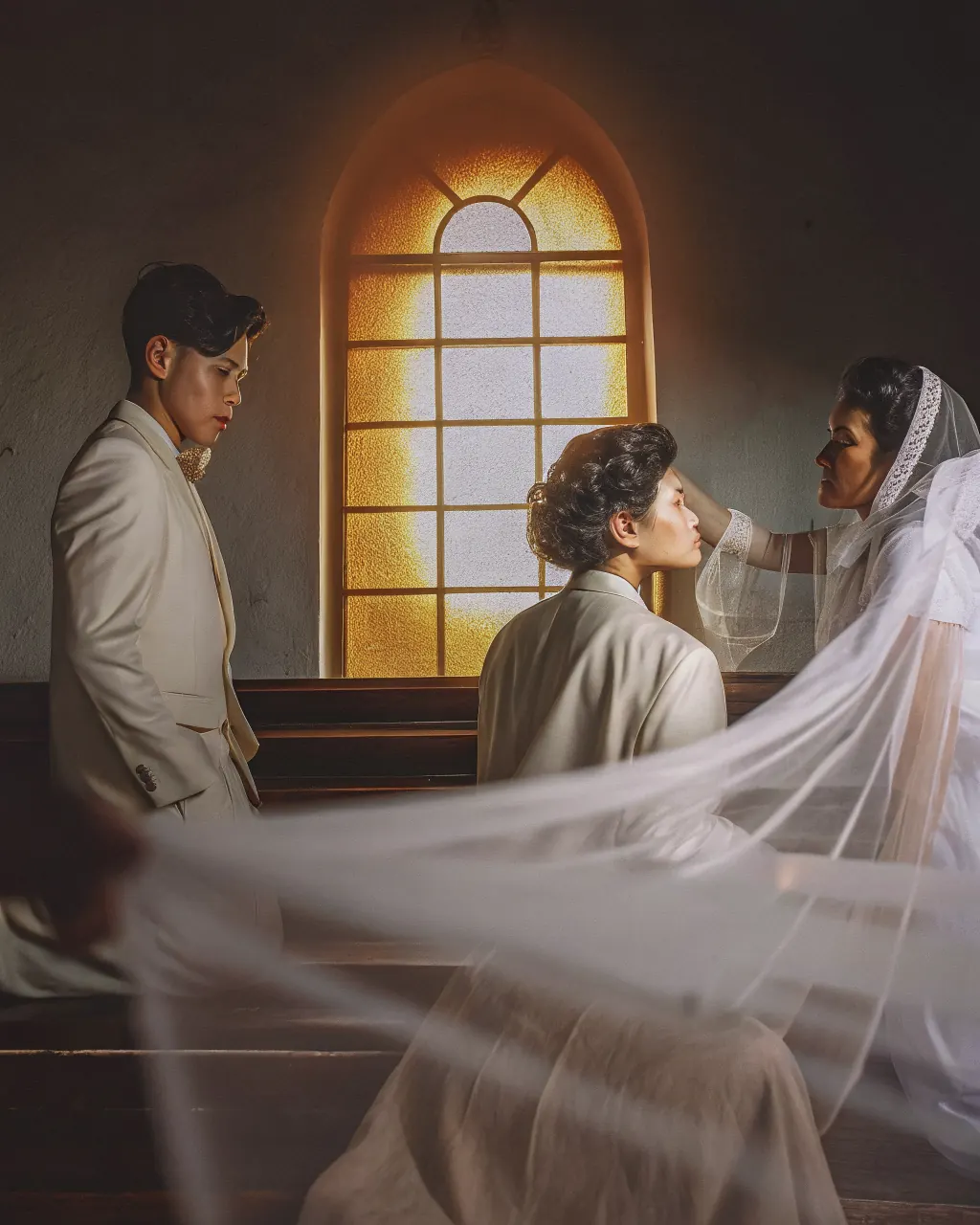
Rather than working around Simbang Gabi, some couples weave it in. Completing the full nine-day novena together in the days before the wedding becomes a quietly meaningful way to prepare for marriage, turning the busy week into a shared devotion rather than a logistical hurdle. There is an old, fond belief that finishing all nine masses earns a heartfelt wish, and many couples find that walking into those dark, candlelit mornings side by side settles them before the big day. A church already dressed for Christmas means stunning ceremony photos with no extra styling cost — the parol, the poinsettias, the warm light are all there waiting for you. And guests who are home for the holidays are often more present and more emotional than at any other time of year; the season does half the work of setting the tone.
Plan for your guests and the season
A late-December church wedding sits inside the busiest social week of the Filipino year, so be generous with notice and gentle with logistics. Guests are juggling reunions, travel, and their own Simbang Gabi plans; early invitations help them choose. The weather is usually cool and pleasant, which is a gift, but traffic and parking around churches can be heavy this season, so guide your guests on timing and transport. Done thoughtfully, a wedding in these days does not compete with the season — it joins it.
Marrying during Simbang Gabi places your vows at the spiritual peak of the Filipino December. Coordinate early with a parish that is at its busiest, plan kindly around your guests, and let the season’s prayerfulness and beauty become part of the day itself.
See what your parish will need before you set the date.
Start planning freeKeep reading
More from the edit
Ready to start your own plan?
Guest list, budget, schedule, seat plan, and mood board — free with every Setnayan account.
Start planning · free