
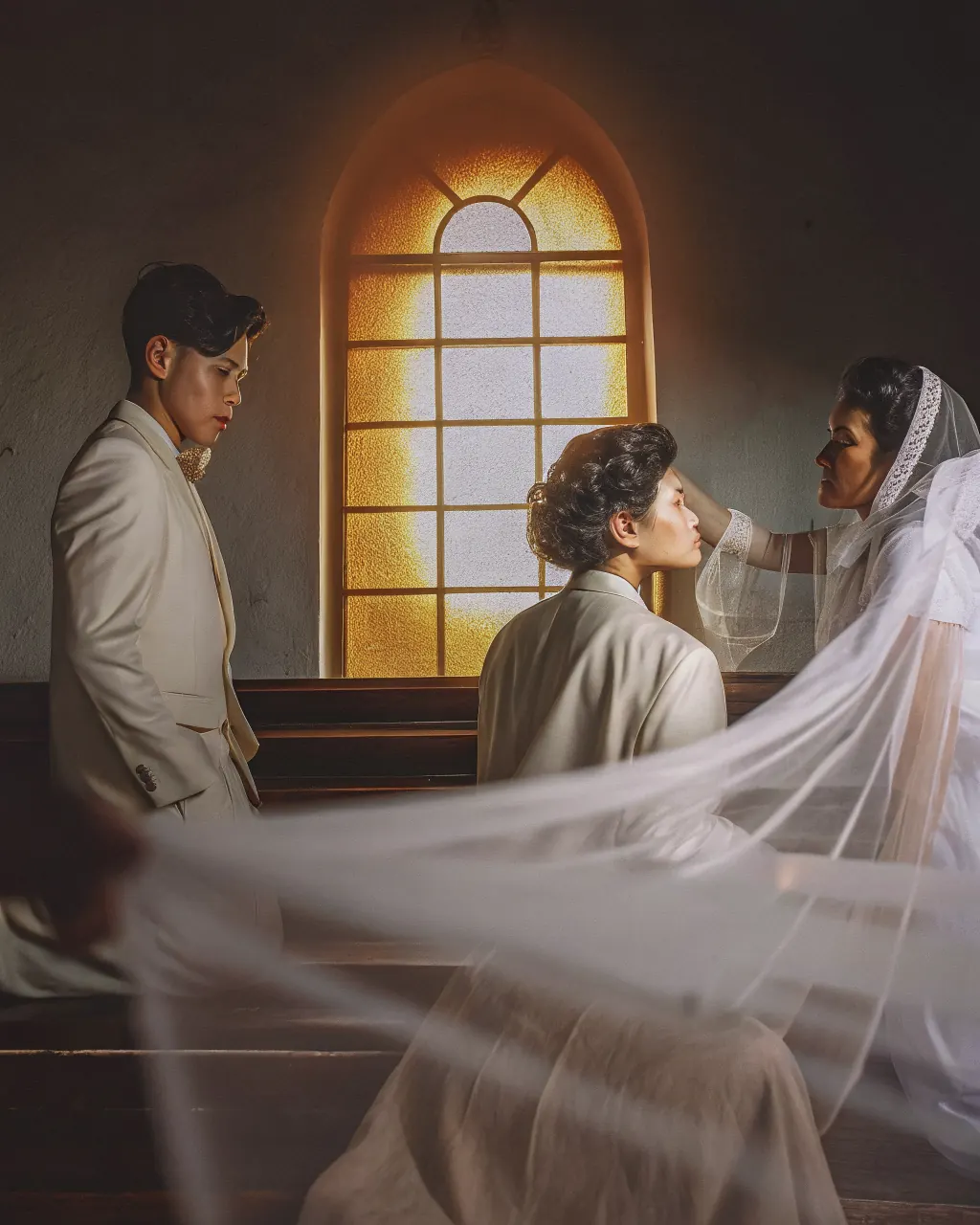
Near the start of many Filipino ceremonies, two candle sponsors step forward and light a pair of candles flanking the kneeling couple. Later — sometimes the couple themselves, sometimes their mothers — those two flames are brought together to light a single candle standing between them. It is a small, slow gesture, performed without a word, and the whole church seems to lean toward it. The unity candle is light turned into a metaphor for a marriage, and once you understand what it is saying, it becomes one of the most quietly stirring parts of the rite.
What the flame is saying
The two outer candles stand for the partners as they are on the morning of the wedding: two separate lives, two families, two histories, two flames burning on their own. The centre candle is what they become together. In Catholic and Christian ceremonies the lit candles also signify the light of God's presence in the marriage — a reminder that the couple does not walk forward alone, and that their union is held by something larger than the two of them. The candle sponsors who light the outer flames are part of the secondary sponsors, chosen as people the couple want close to their marriage. And when the two flames finally meet at the single wick, the message is gentle and clear: joined, yes, but never erased. It is a vow you can watch happen, in real time, in a single point of light.
Worth keeping
Two flames meet to light a third — and the loveliest part is that the first two keep on burning.
Two flames, still burning
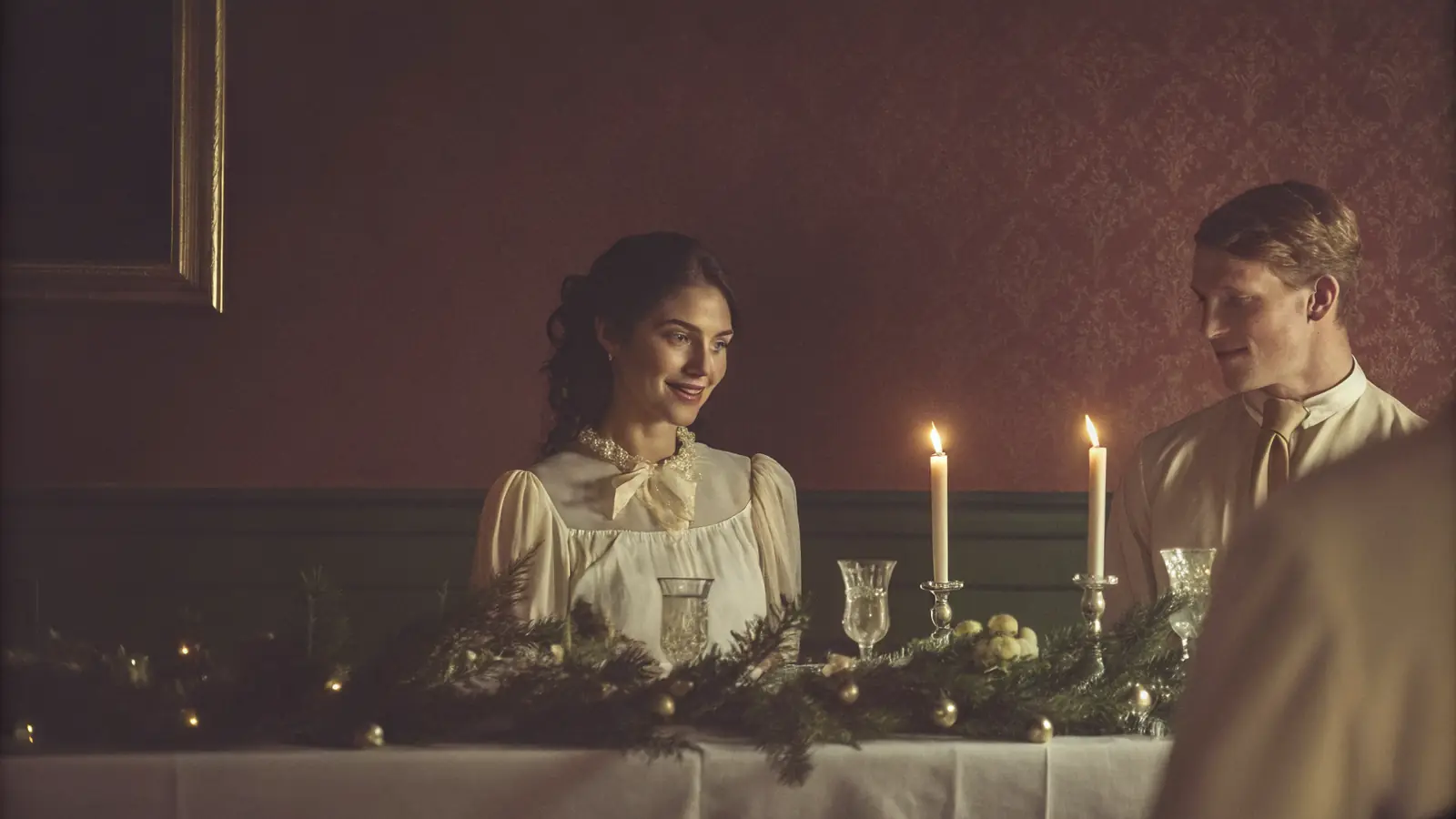
Here is the detail couples tend to love most, and the one many guests miss: in a great many versions of the rite, the two side candles are not blown out after the centre is lit. They keep burning beside the new flame. The reading is tender — yes, two lives become one shared life, but each person remains fully themselves within it. The marriage is a third light added to the room, not the snuffing of the other two. A husband does not stop being who he is, and a wife does not disappear into the union; they simply build a new, shared brightness between them.
How it usually plays out
The exact handling varies by parish and family, but the general shape is familiar across most ceremonies.
- Candle sponsors — part of the secondary sponsors — light the two outer candles early in the rite, often alongside the veil and cord rites.
- At the unity moment, the couple, or in some families their two mothers, use those flames to light the centre candle together.
- The order and timing differ from church to church, so confirm the sequence with your officiant during preparation.
- An outdoor or breezy venue may need hurricane glass or shielded holders so the flames hold steady for the moment.
Making it personal
Some couples ask both mothers to light the side candles, turning the rite into a quiet, public thank-you to the two women who raised them — a moment that often draws the first happy tears of the day. Others keep the unity candle from the wedding and relight it on each anniversary, so the symbol keeps working long after the ceremony ends. If candles do not suit your venue, your faith, or your wet-weather plan, the meaning travels easily: a sand-blending or wine-blending ceremony carries the same "two into one" symbolism with no open flame at all. Choose what feels true to you. The light is in the gesture, not the wax.
Whatever your ceremony — Catholic, civil, Christian, or mixed — see how a Filipino wedding flows, beat by beat.
Start planning freeKeep reading
More from the edit
Ready to start your own plan?
Guest list, budget, schedule, seat plan, and mood board — free with every Setnayan account.
Start planning · free